The International Labour Organisation asserts that a safe and healthy working environment is a fundamental right, yet its veracity is questionable for many Nigerian workers. In every nation, the level of safety achieved within a work environment is a collective investment of both employees and employers. This partnership is reinforced by government policies designed to ensure that each party fulfils their responsibilities effectively.
However, when it comes to Nigeria, the landscape appears vastly different. The pursuit of profit often takes precedence over workplace safety, turning it into an overlooked and seemingly burdensome aspect.
Over the years, unsafe workplaces have not only devastated the lives of employees but have had a ripple effect on families. The Journal of Economics and Sustainable Development reveals alarming statistics: 200 daily industrial accidents with a high fatality rate. Additionally, at least 50 million Nigerians are exposed to occupational hazards, including 3.2 million involved in forced economic activities, including children.
This reality prompts a crucial question: How often do we truly shed light on these perilous conditions?
Legal Framework: A Paper Tiger?
Nigeria has laws in place aimed at ensuring workplace safety. We can boast of a national policy on occupational safety and health. One of which is the Factory Act. This law states that workers must not be engaged in tasks that could lead to injuries, or be exposed to products that are hazardous such as dangerous liquids and fumes, explosives and inflammable dust, gases, vapours etc. Such workers should obtain special training and work under the supervision of a supervisor who has particularly good knowledge and experience handling such hazardous equipment. Section 47 of the Factory Act makes it compulsory for employers to provide free personal protective gear to the employees.
However, the efficacy of its implementation remains questionable. A recent article in Punch Newspaper titled “Limps for a Penny?” highlights various workplace incidents, emphasising the dangers many Nigerians face for meagre compensation. The situation calls for heightened awareness and collective action to address the pressing issue of workplace safety, safeguarding the well-being of workers across the nation.
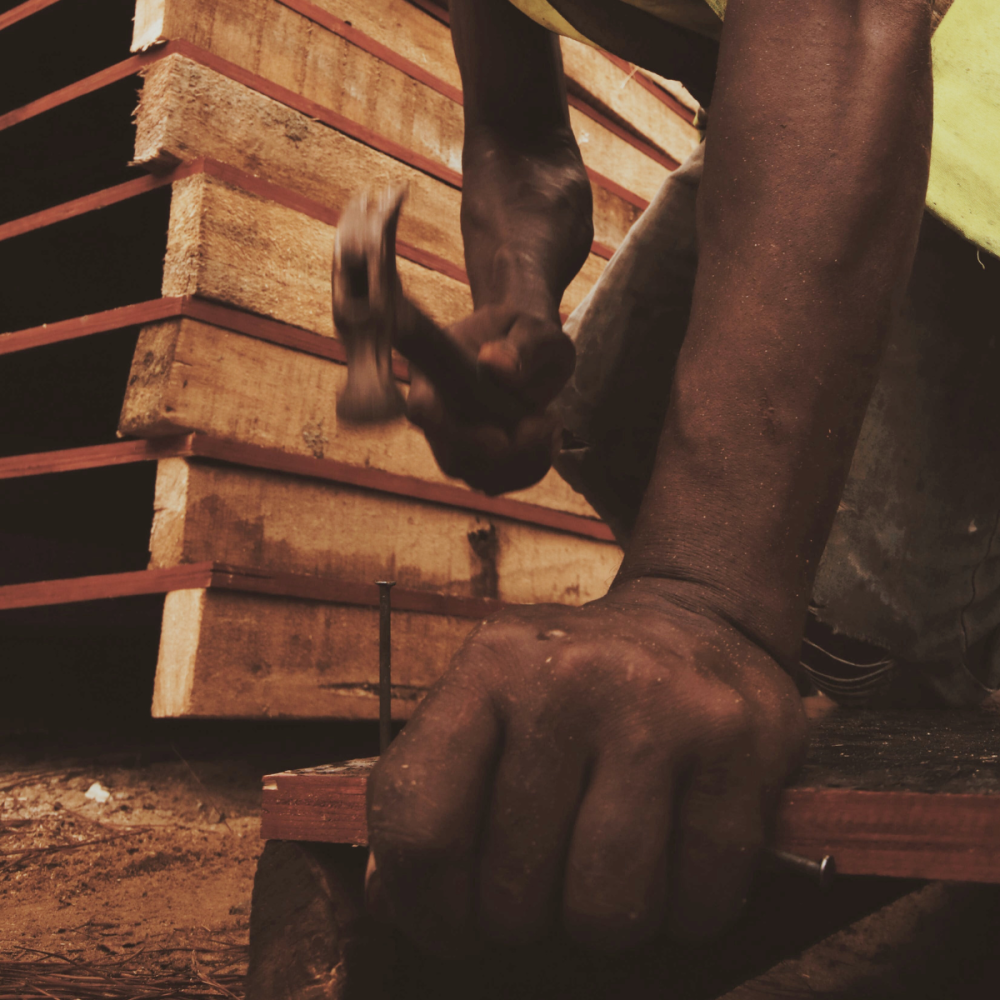
Here are a few instances of avoidable workplace fatalities and accidents, underscoring the urgent need for improved workplace safety:
- Boiling Water Attack: Mabel suffered severe injuries when a colleague poured boiling water on her hands during a cleaning operation. Despite receiving treatment, her deformed hands led to her dismissal with minimal compensation of N20,000.
- Fatal Mixer Accident: Babatunde Abdulrahmon lost his life when he was accidentally pulled into a mixing machine during a power outage at a manufacturing company. The company was sealed for safety violations, but compensation details were not disclosed.
- Loss of Limb in Feed Factory: Adekunle Shokunbi lost his right hand in a tragic accident at a feed factory. Despite attempts to meet the company’s managing director for compensation, the family faced challenges in securing a resolution.
- Safety Lapses at Synthetic Hair Factory: Workers at the factory complained of unsafe conditions, lack of safety gear, and inadequate pay. Despite concerns, economic hardships forced some to endure hazardous working conditions, with no specified compensation.
- Casual Worker Crushed at Quarry: Femi, a casual worker, died in a quarry accident. The family called for an investigation into possible negligence, emphasizing the need for better safety measures in such industries. Compensation details were not provided.
- Death in Chinese-Owned Factory: Vincent Williams died in a ceramics factory explosion. The family accused the company of negligence, emphasizing the need for appropriate medical attention. Compensation details were not disclosed.
- Fatal Pool Incident at Chinese Factory: Two workers were found dead in a Chinese-owned factory’s swimming pool under mysterious circumstances. The family suspected foul play, but details of the investigation remained undisclosed. Compensation figures were not mentioned.
- Fire Tragedy at Recycling Plant: Over 50 workers resigned from a Chinese-owned recycling plant after a fire claimed the lives of three colleagues. The workers reported the incident and sought justice for their deceased colleagues. Compensation details were not specified.
- Chinese Factory Explosion: A Chinese factory involved in the production of PVC material experienced an explosion, leading to the death of Olatunde. The factory was sealed for safety violations, and the incident highlighted the need for stringent safety measures. Compensation figures were not provided.
Inaction on Safety Violations
Despite numerous safety violations in various factories, the Nigerian government has not taken decisive action, leading to continued risks for workers. Civil society groups have raised concerns about China’s Belt and Road Initiative in Nigeria, emphasizing the need for better labour practices and safety standards. Compensation figures for affected workers remain undisclosed, adding to the urgency for improved workplace safety.
This comprehensive overview demands a collective and urgent response. It is imperative to go beyond acknowledging the challenges and actively work towards creating a safer working environment for all Nigerians. The statistics speak volumes, but the real change lies in concerted efforts, stringent regulations, and a commitment to prioritising the well-being of the workforce. Only then can Nigeria truly uphold the fundamental right to a safe and healthy working environment for its citizens.
So, how do we fix these issues? Join the Battle for Safety!
We preach the gospel of safety for all, and you can be a part of it too! Beyond being a PPE company, our commitment to safety in Nigeria is unwavering. Join us in initiating change by sharing your insights on potential solutions. Take a moment to complete our survey, and don’t forget to spread the word. Together, let’s create a safer and healthier work environment. Your contribution makes a difference!
Take a moment to share your safety experience in this survey.